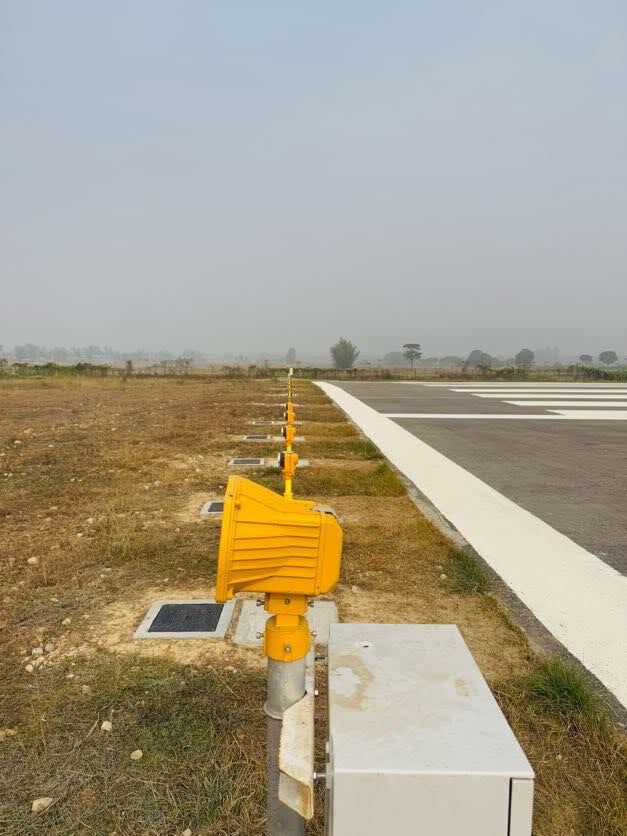
Supply, Delivery, Installation, and Testing of Aeronautical Ground Lighting & Airfield Control Systems at Rajbiraj Airport
Comprehensive supply, installation, and commissioning of state-of-the-art Aeronautical Ground Lighting and Airfield Light Control & Monitoring Systems at Rajbiraj Airport, enhancing operational safety and efficiency.
Project Overview
Project Scope: Supply, Delivery, Installation & Testing of Aeronautical Ground Lighting Systems (AGLS) and Airfield Lighting Control and Monitoring Systems (ALCMS) at Rajbiraj Airport
Project Overview
The Civil Aviation Authority of Nepal (CAAN) initiated a comprehensive modernization project at Rajbiraj Airport to upgrade its Aeronautical Ground Lighting (AGL) system and associated electrical infrastructure. The project aims to enhance operational safety, improve visibility for aircraft movements, and ensure compliance with international aviation standards.
Rajbiraj Airport’s existing lighting infrastructure consisted of conventional and aging systems with limited reliability, inadequate illumination levels, and lack of centralized control. These limitations posed operational challenges, particularly during night operations and adverse weather conditions, affecting both safety and efficiency.
To address these challenges, the project involves the end-to-end implementation of a modern LED-based AGL system, integrated with an advanced Airfield Lighting Control and Monitoring System (ALCMS). The upgraded system enables centralized control, real-time monitoring, fault detection, and efficient management of all airfield lighting components from a single interface.
The scope of work covers detailed engineering design, procurement of high-quality equipment, installation of lighting systems, civil and electrical infrastructure development, system integration, testing, commissioning, and training of operational personnel. The project is designed to deliver a reliable, energy-efficient, and future-ready lighting solution that significantly enhances airport performance and safety.
Objectives
The project was designed to achieve the following strategic and operational goals:
• Upgrade the existing Aeronautical Ground Lighting (AGL) system with modern, high-efficiency LED lighting solutions
• Enhance runway, taxiway, and apron visibility to support safe aircraft takeoff, landing, and ground movement
• Ensure full compliance with international aviation standards including ICAO regulations
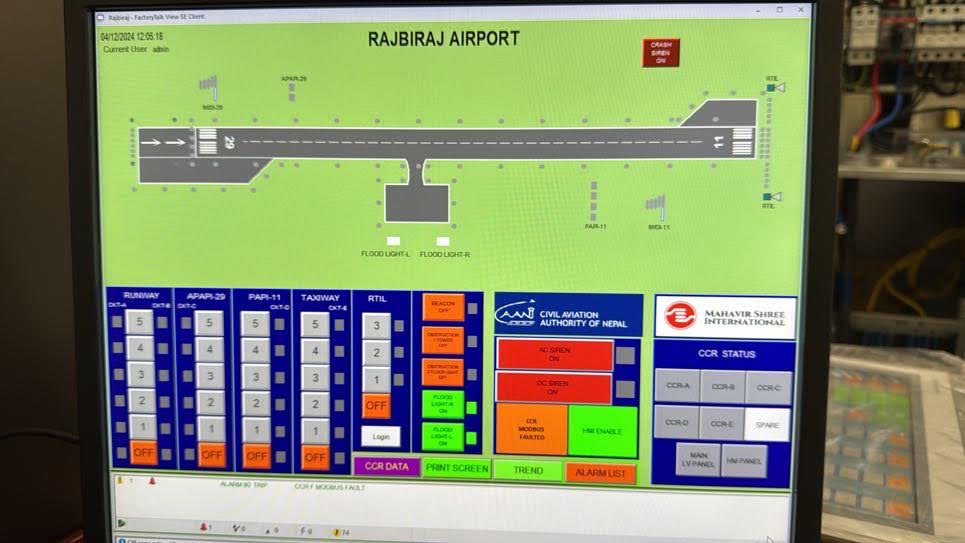
• Implement a centralized Airfield Lighting Control and Monitoring System (ALCMS) for real-time control and supervision
• Improve system reliability through the integration of CCR, AVR, UPS, and backup power systems
• Reduce operational and maintenance costs through energy-efficient lighting technologies
• Install advanced navigational aids such as RTIL, signage, and obstruction lighting systems
• Develop robust electrical and cabling infrastructure for seamless system performance
• Strengthen safety systems including alarms, sirens, and emergency lighting provisions
• Deliver complete project execution including design, installation, testing, commissioning, and training
Key Deliverables
The following systems, instruments, and tools were supplied, installed, and commissioned as part of the project:
Airfield Lighting Systems
• High-intensity runway edge lights (elevated and inset types)
• Runway threshold and end lighting systems
• Taxiway and turning pad LED lighting systems
• Runway Threshold Identification Lights (RTIL)
Apron & Flood Lighting
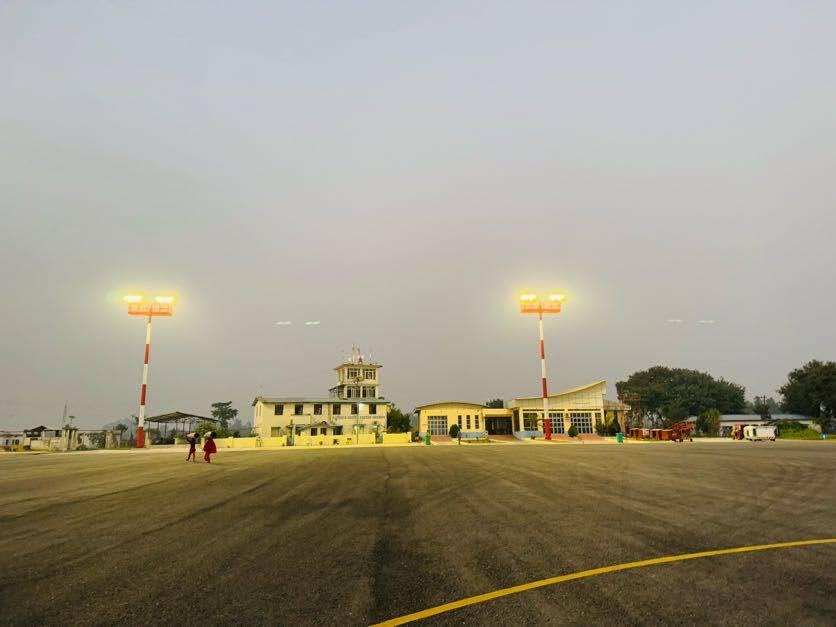
• High mast LED flood lighting system for apron illumination
• Installation of 16-meter high mast structures
• Integration of obstruction lights and lightning protection systems
Power Supply & Control Systems
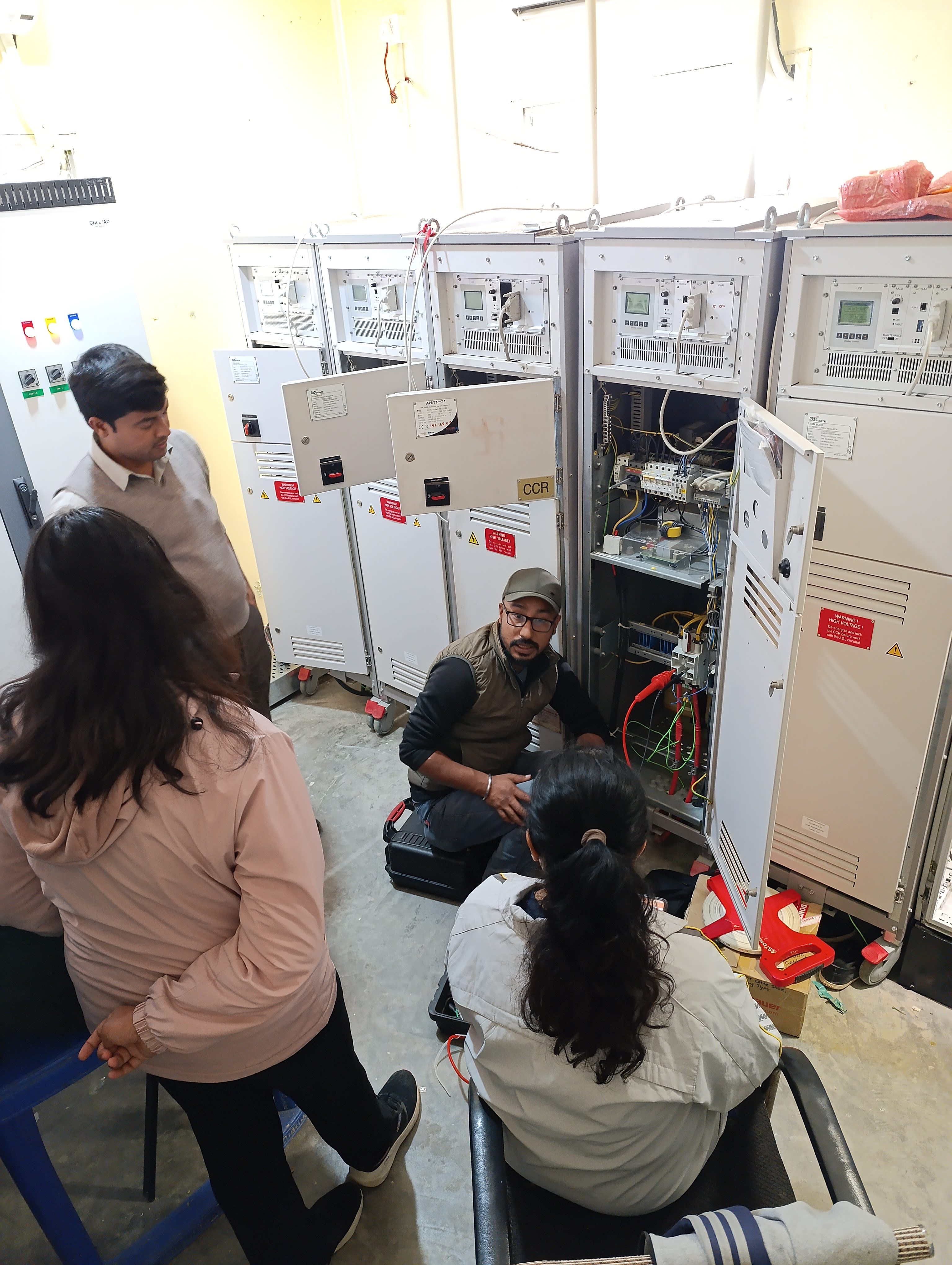
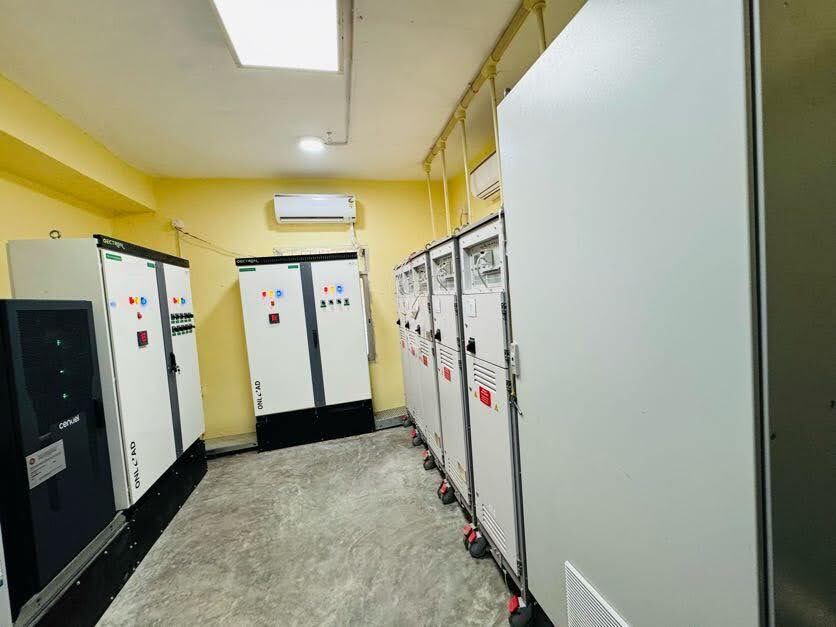
• Installation of Constant Current Regulators (CCR)
• Deployment of Automatic Voltage Regulators (AVR) and UPS systems
• Implementation of PLC-based ALCMS with HMI control interface
• Integration with control tower systems for centralized operation
Cabling & Infrastructure
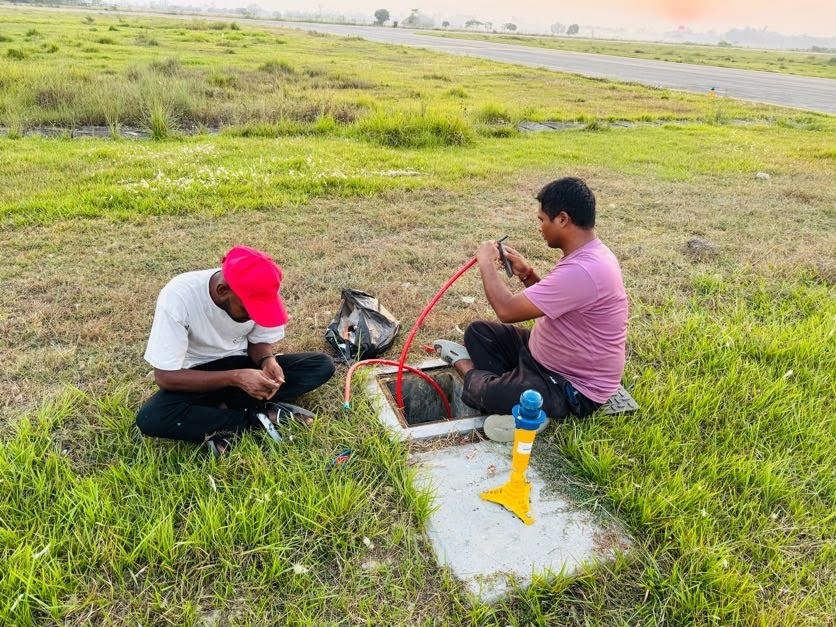
• Laying of AGL primary and secondary cables
• Installation of optical fiber communication systems
• Construction of ducts, manholes, and cable routing infrastructure
• Complete earthing and lightning protection systems
Safety & Navigation Systems
• Installation of runway signage and guidance systems
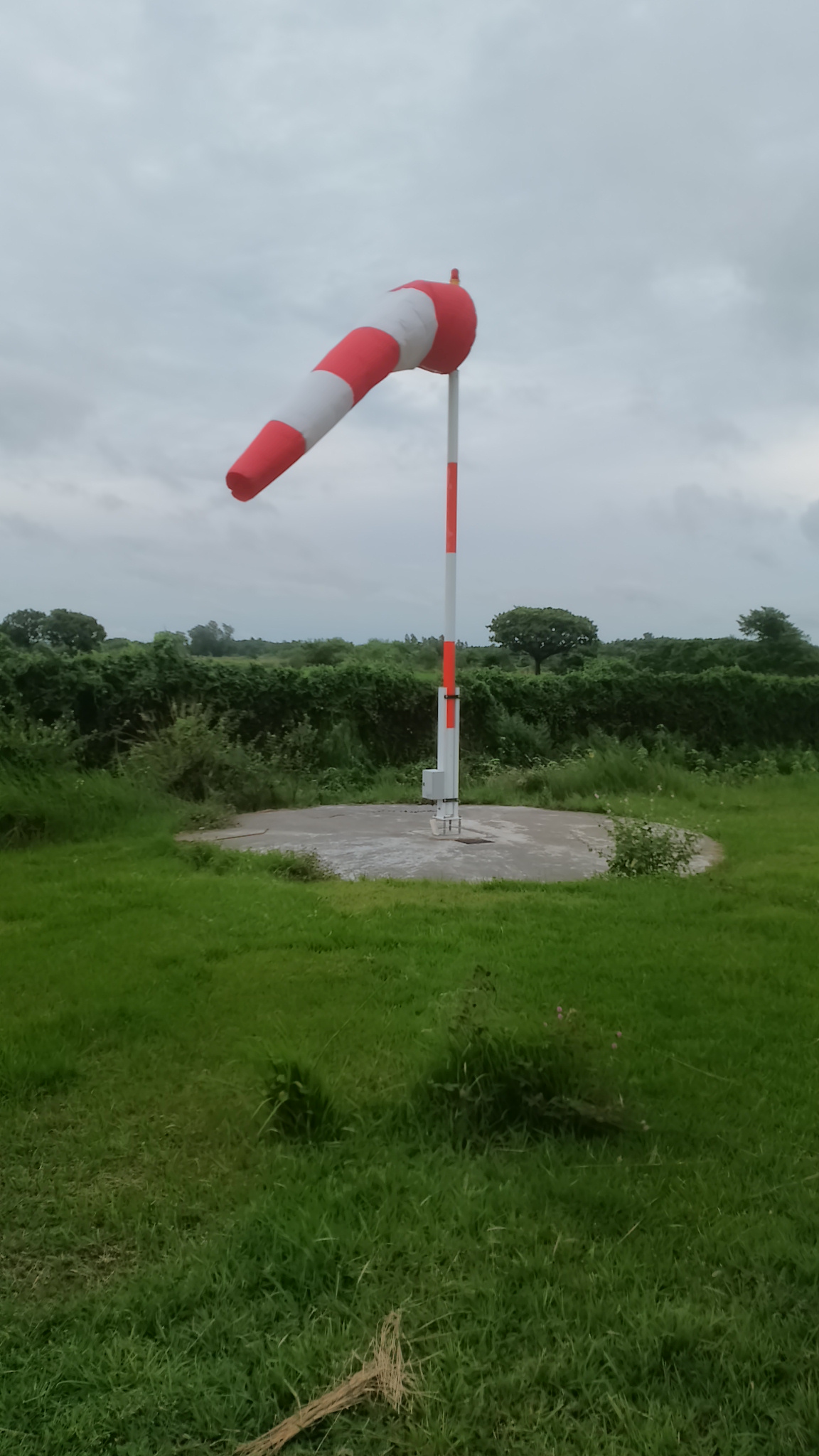
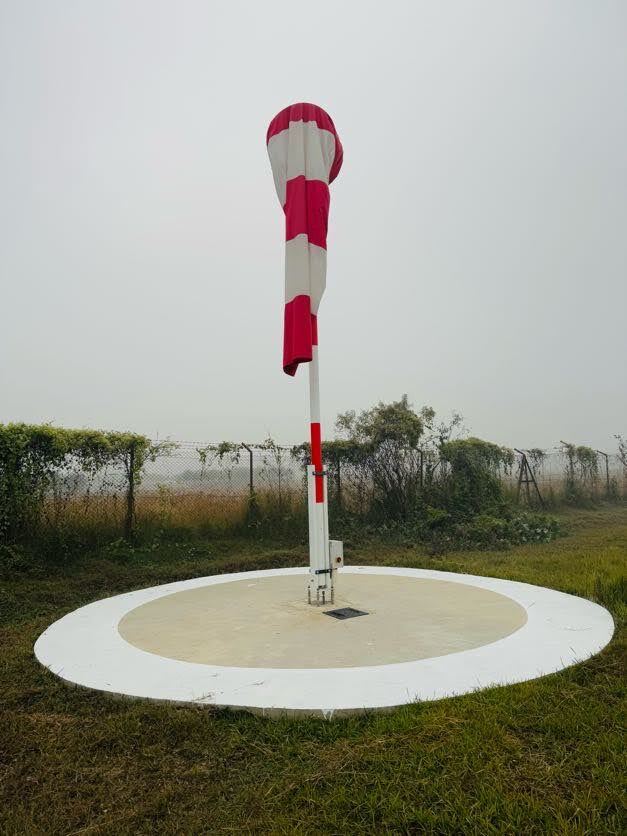
• Deployment of wind direction indicators and aeronautical beacons
• Installation of fire alarm systems, sirens, and signal light guns
Civil Works
• Foundation construction for all lighting and equipment systems
• RCC chambers, mounting bases, and structural supports
• Relocation and upgrading of existing systems including APAPI and floodlight masts
Testing, Commissioning & Support
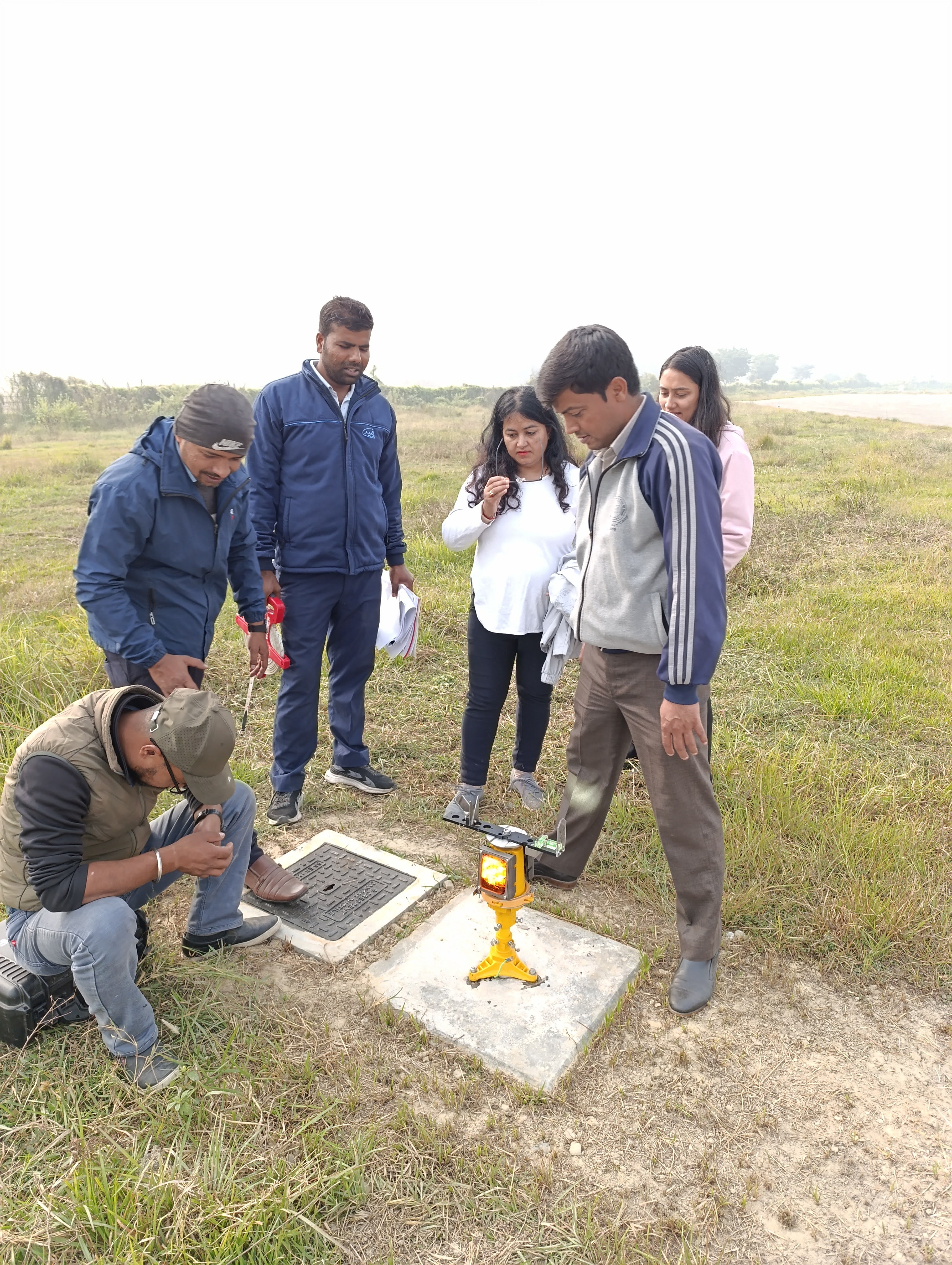
• Pre-shipment inspection and testing
• Complete system testing, commissioning, and performance validation
• Training programs for airport technical staff
• Supply of spare parts and warranty support
Impact
The project delivers significant improvements to airport safety, efficiency, and operational capability:
• Enhanced aircraft safety through improved runway and taxiway visibility during night and low-visibility conditions
• Increased operational reliability with modern, automated control and monitoring systems
• Reduction in energy consumption and operational costs through LED-based lighting solutions
• Improved response time to faults with centralized monitoring and real-time alerts
• Strengthened infrastructure resilience with backup power systems and robust electrical design
• Compliance with international aviation standards, enabling safer and more efficient airport operations
• Improved passenger confidence and airline operations due to enhanced airport reliability
Conclusion
The Rajbiraj Airport AGL upgrade project represents a major step forward in modernizing Nepal’s regional aviation infrastructure. By implementing advanced LED lighting systems, centralized monitoring through ALCMS, and robust electrical and civil infrastructure, the project ensures a high level of operational safety, efficiency, and reliability.
Successfully executed in accordance with international standards and technical best practices, the project establishes a future-ready airfield lighting system capable of supporting increasing air traffic demands. It also sets a benchmark for similar airport modernization initiatives across Nepal, contributing to the overall development of a safer and more efficient aviation network.
Inspired by What You See?
We can help you bring similar innovations to life
Project Highlights