Upper Air Radiosonde System Installation for Precise Weather Forecasting in Nepal
Installation of an Upper Air Radiosonde System for DHM Nepal at Tribhuvan University, Kirtipur, for upper atmospheric data collection and weather forecasting.
Project Overview
Overview
Mahavir Shree International Pvt. Ltd. installed an Upper Air Radiosonde System for the Department of Hydrology and Meteorology (DHM), Nepal, at Tribhuvan University's Central Campus, Kirtipur, approximately 200 meters east of the Central Department of Hydrology and Meteorology. The project (reference MSI-PRJ-72-191) had a duration of one year and six months, completing in September 2023. The system was installed to collect upper atmospheric data for weather forecasting, climate monitoring, and aviation safety.
Scope & Deliverables
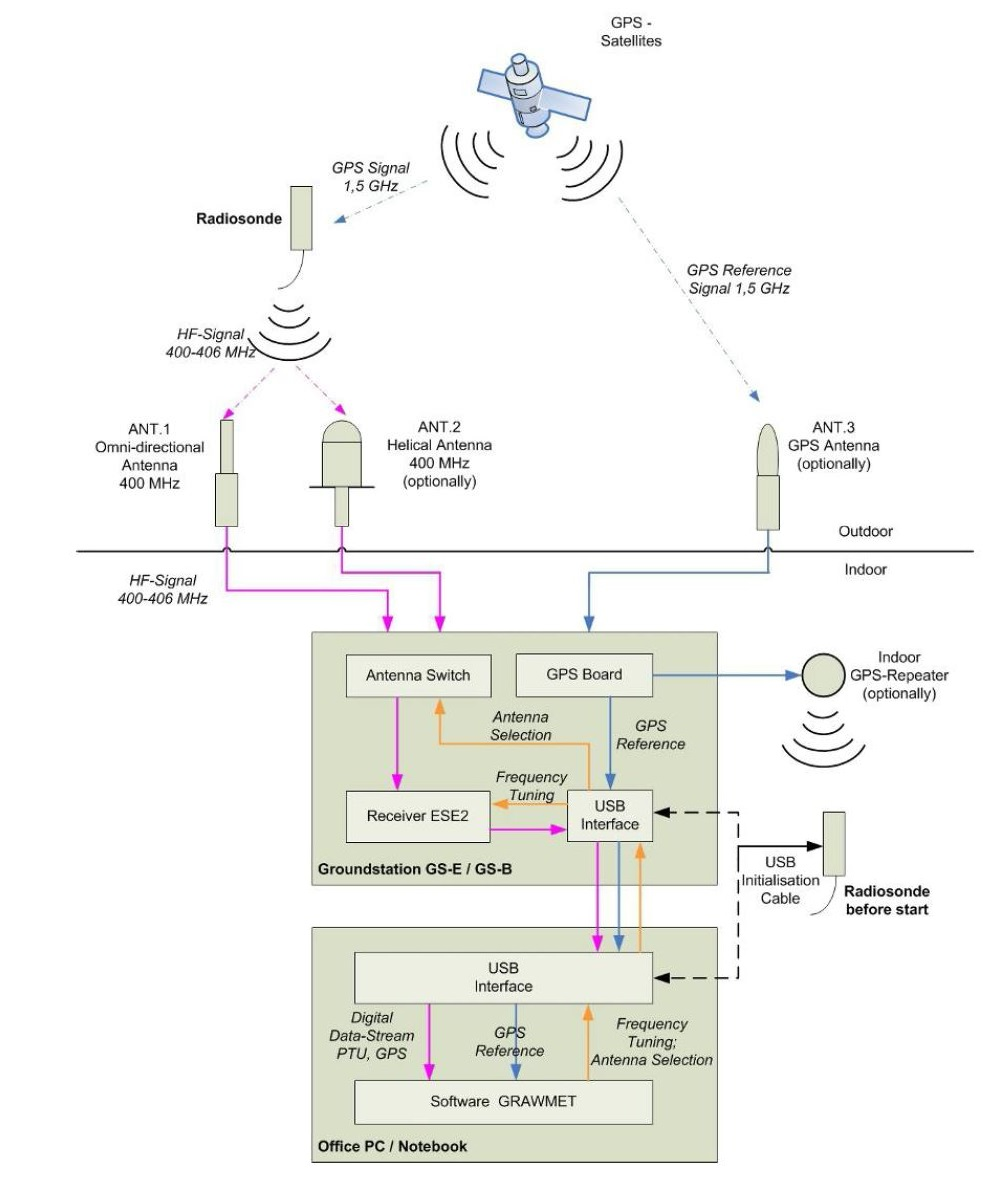
- Ground Station (GS-E) fitted with two antennas: AT-OMNI for telemetry and AT-GPS for GPS location.
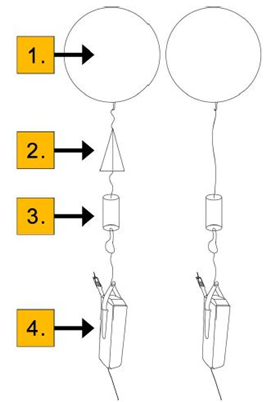
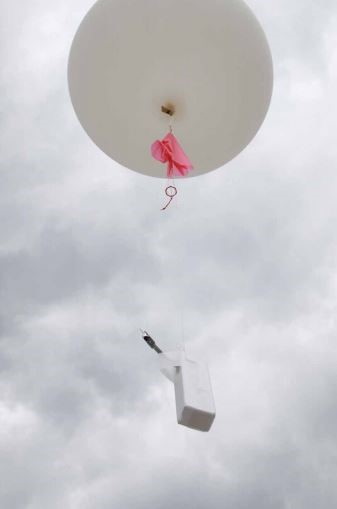
- Weather Balloon Launch System comprising a hydrogen gas generator, parachute, and unwinder system for controlled radiosonde deployment.
- GPS-enabled radiosonde sensor transmitting meteorological data in the 402.1 MHz frequency band.
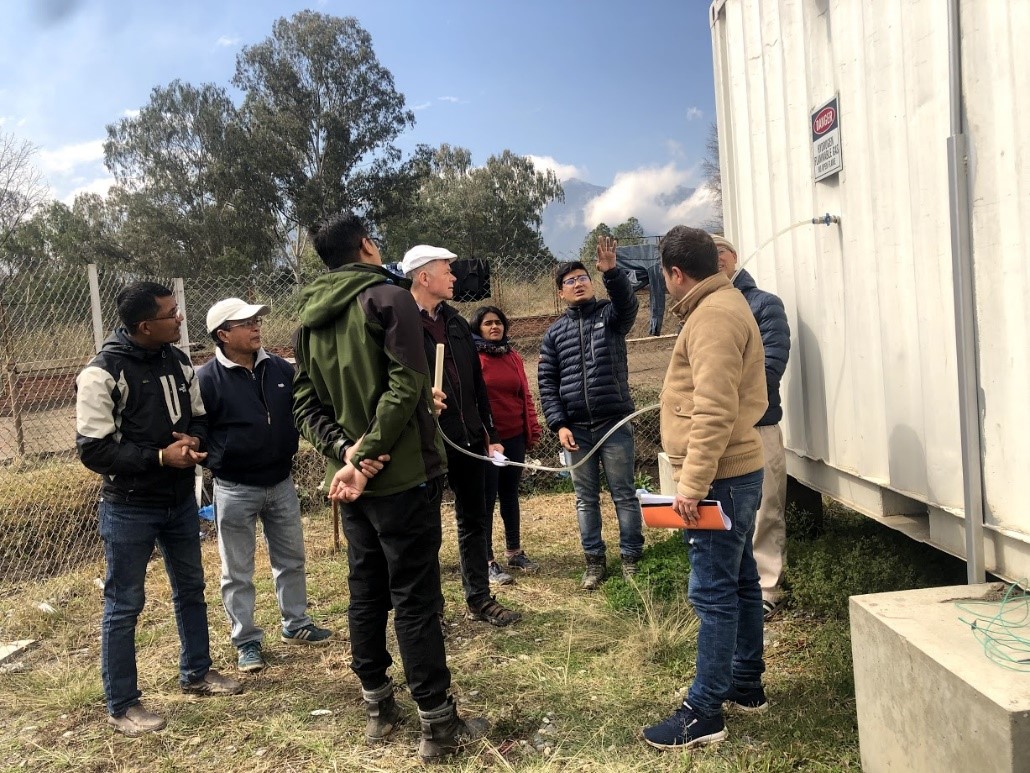
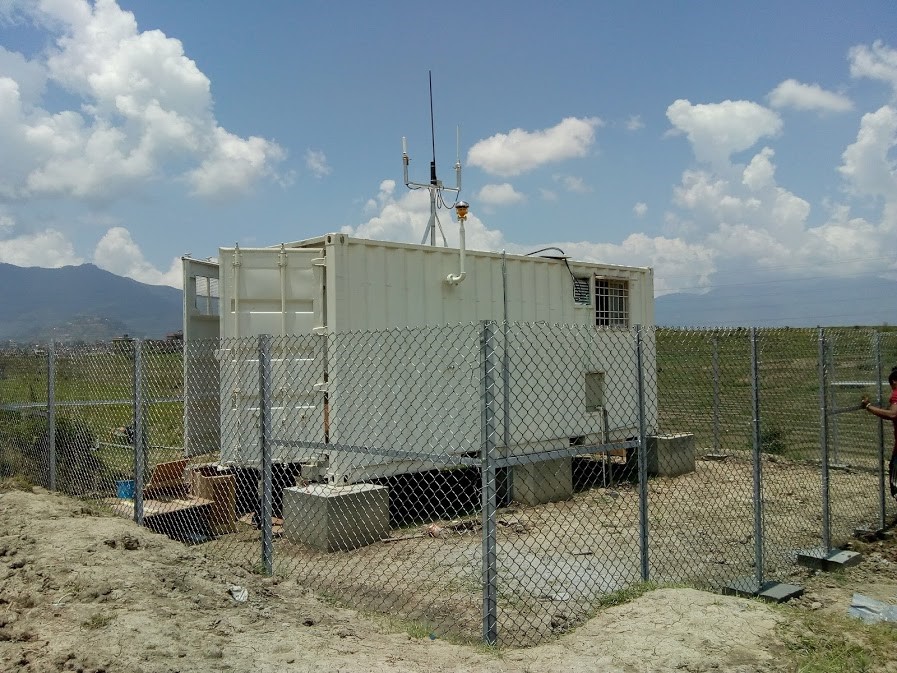
- Dedicated container near the launch site housing the data receiver station, hydrogen generator, and power backup systems, with antennas mounted above the container.
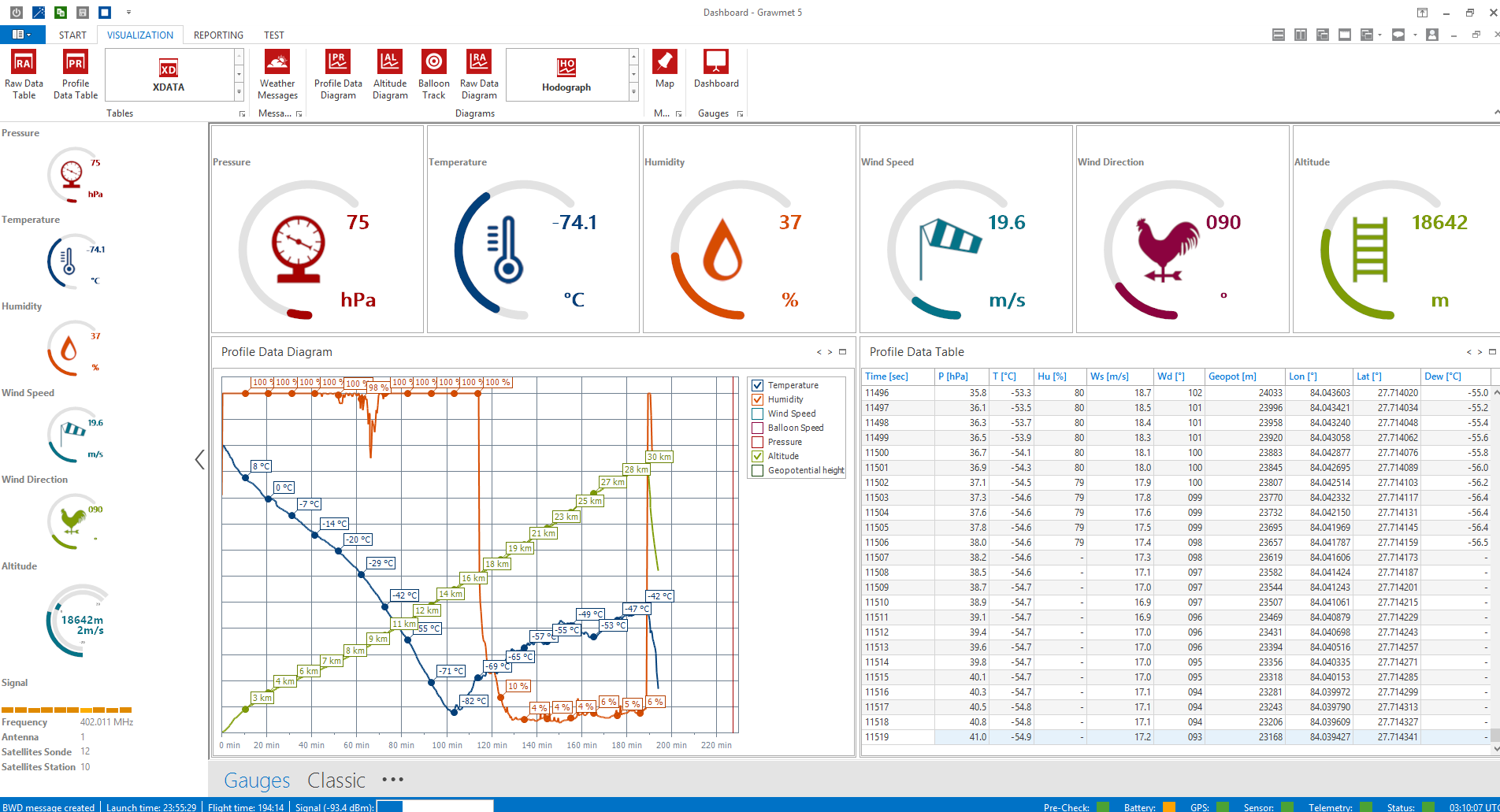
- Grawmet software for receiving, decoding, and visualizing telemetry data as graphs.
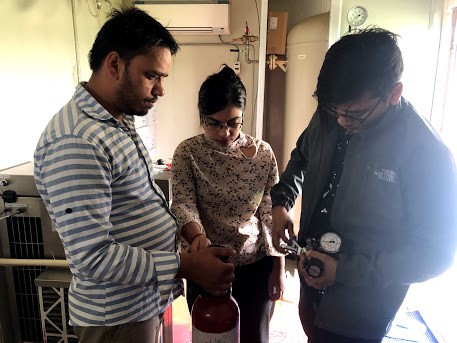
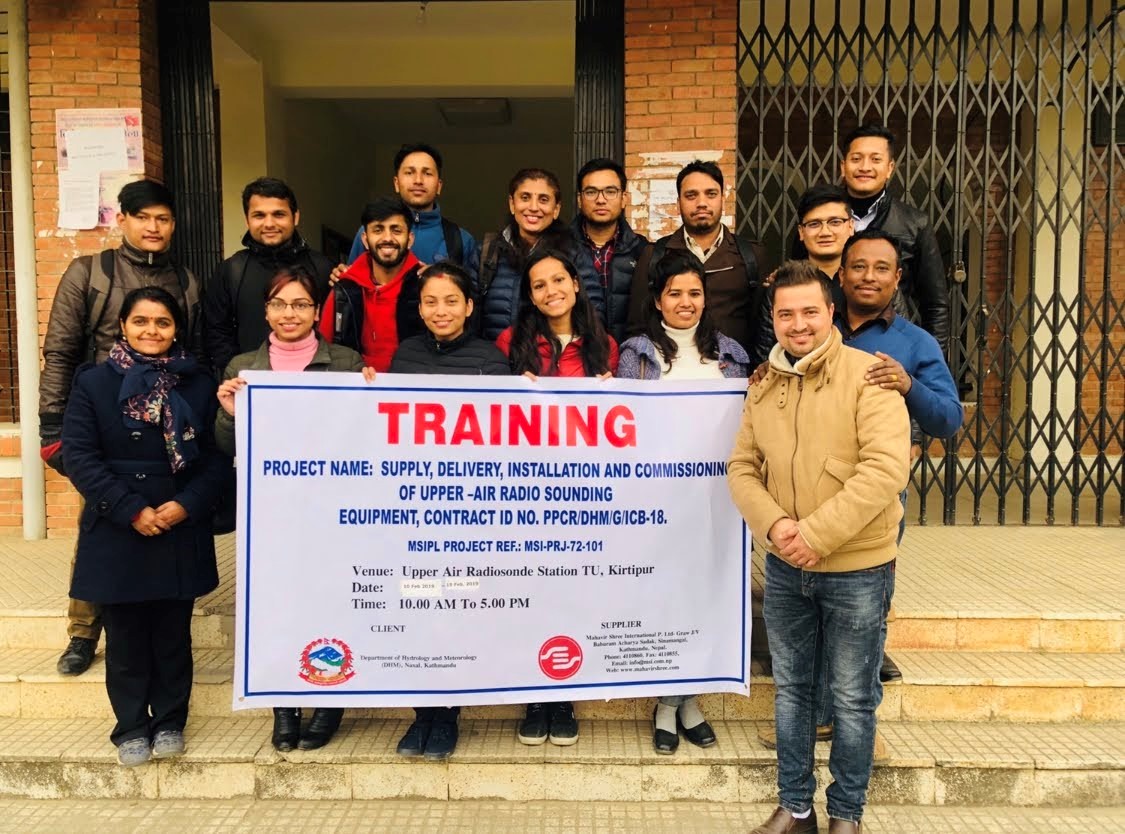
- 30-day training program for DHM staff, delivered in four phases covering system operation, routine maintenance, troubleshooting, and safety protocols for hydrogen handling and launch procedures.
Outcome
The system was commissioned for daily operation, with trained DHM personnel launching a hydrogen-filled weather balloon each day between 5:30 AM and 5:45 AM to measure barometric pressure, temperature, humidity, wind speed, and wind direction. Recorded performance includes an average altitude of 27.124 km and a maximum recorded altitude of 32 km, a minimum integrated battery runtime of 140 minutes, hydrogen generator runtime of 2-3 hours daily, and a calibration frequency of every 3 months. DHM staff completed the training program and were handed over operation of the system.
Inspired by What You See?
We can help you bring similar innovations to life
Project Highlights